New Zealand Great Walks: Guide to All 11 Great Walks
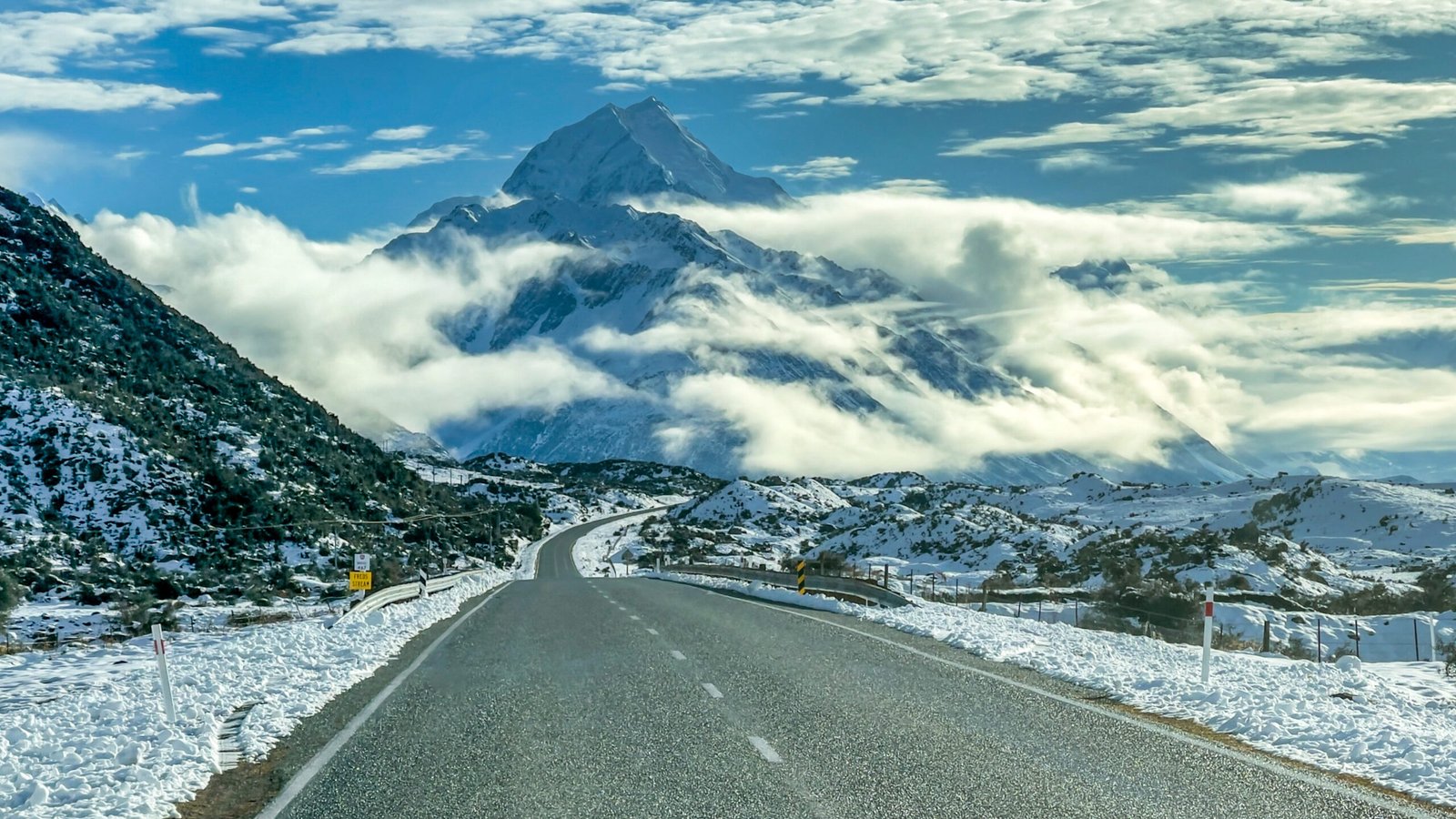
New Zealand Great Walks hiking trail through spectacular alpine scenery

New Zealand’s Great Walks take you through some of the most spectacular landscapes in Aotearoa, from volcanic terrain and ancient forests to golden beaches, alpine passes and remote rivers.

There are 11 New Zealand Great Walks across the North Island, South Island and Rakiura Stewart Island. Ten are walking tracks, while the Whanganui Journey is explored by canoe or kayak.

Some are challenging multi-day wilderness adventures, while others can be explored in shorter sections. Choosing the right walk depends on the scenery you want to experience, your fitness and experience, how much time you have and where you plan to stay before and after the track.

Here’s what makes each Great Walk special, along with some of the best towns and places to stay nearby.

North Island Great Walks

The North Island has three Great Walks, each offering a completely different experience: volcanic landscapes, remote native forest and an unforgettable river journey.

Tongariro Northern Circuit through the volcanic landscape of Tongariro National Park

Tongariro Northern Circuit – Central North Island

The Tongariro Northern Circuit travels through the extraordinary volcanic landscapes of Tongariro National Park, a UNESCO Dual World Heritage Area.

Expect lava formations, craters, alpine tussock and views of some of the North Island’s most recognisable volcanic peaks.

Part of the route overlaps with the famous Tongariro Alpine Crossing, but the full circuit takes you deeper into the national park and away from its busiest sections.

Best for: Volcanic landscapes, alpine scenery and experienced walkers.

Best places to stay: National Park Village, Whakapapa Village, Ohakune and Tūrangi. National Park Village is particularly convenient for travellers wanting to stay close to Tongariro National Park.

Good to know: Weather can change extremely quickly. Always check current conditions and carry appropriate equipment.

Planning your trip: Explore our Ruapehu Travel Guide for accommodation, activities and more places to discover around Tongariro National Park.

Lake Waikaremoana Great Walk beside the lake in Te Urewera

Lake Waikaremoana Track – Te Urewera

The Lake Waikaremoana Track offers one of the quieter and more remote Great Walk experiences.

The track follows the shoreline of Lake Waikaremoana through native forest, secluded beaches and landscapes of immense cultural significance.

Te Urewera is the homeland of Ngāi Tūhoe, and visitors should respect the cultural importance of the area and its natural environment.

Best for: Native forest, lake scenery and remote North Island wilderness.

Best places to stay: Lake Waikaremoana and Wairoa. Staying close to the lake is the most convenient option for the track, while Wairoa is a useful base before or after your trip.

Planning your trip: Explore our Hawke’s Bay Travel Guide for accommodation, activities and more places to experience in the wider region.

Bridge to Nowhere surrounded by native forest in Whanganui National Park

Whanganui Journey – Manawatū-Whanganui

The Whanganui Journey is the Great Walk where you can leave your hiking boots behind.

This multi-day adventure is completed by canoe or kayak, following the Whanganui River through deep valleys, native forest and remote landscapes largely inaccessible by road.

A popular side trip is the Bridge to Nowhere, an isolated concrete bridge surrounded by native bush.

The river also holds enormous cultural significance. Te Awa Tupua – the Whanganui River – was legally recognised as a living and indivisible whole in 2017, reflecting the deep relationship between Whanganui iwi and the river.

Best for: Canoeing, kayaking, history and a completely different Great Walk experience.

Best places to stay: Taumarunui, National Park Village, Ohakune and Whanganui. Your best base will depend on your chosen starting point and river itinerary.

Planning your trip: Explore our Manawatū-Whanganui Travel Guide for accommodation, activities and other experiences around the region.

South Island Great Walks

The South Island is home to many of New Zealand’s best-known Great Walks, taking in golden beaches, wild West Coast rainforest, alpine passes and remote Fiordland wilderness.

abel-tasman-coast-track-suspension-bridge

Abel Tasman Coast Track – Nelson Tasman

Golden beaches, turquoise water and native forest make the Abel Tasman Coast Track one of New Zealand’s most distinctive Great Walks.

The track follows the coastline of Abel Tasman National Park, passing sheltered bays, rocky headlands and native bush.

Water taxis operate along the coast, giving you the flexibility to complete the full multi-day track or choose individual sections for a shorter adventure.

Best for: Beaches, swimming, coastal scenery and first-time multi-day walkers.

Best places to stay: Mārahau, Kaiteriteri, Motueka and Nelson. Mārahau is at the southern entrance to Abel Tasman National Park, while Kaiteriteri and Motueka are also convenient bases.

Don’t miss: Allow time to enjoy the beaches rather than treating the track purely as a hike from A to B.

Planning your trip: Explore our Nelson Tasman Travel Guide for accommodation, activities and more things to do around Abel Tasman.

Heaphy Track trailhead in Kahurangi National Park

Heaphy Track – Nelson Tasman & West Coast

The Heaphy Track delivers an incredible variety of landscapes in one journey.

Travelling through Kahurangi National Park, the route crosses tussock-covered high country, forests and river valleys before reaching the wild West Coast.

Near the coast, nīkau palms and rugged beaches create a striking contrast to the landscapes encountered earlier in the walk.

The route also has a long human history, with sections following pathways used by Māori travelling in search of pounamu.

Best for: Changing scenery, wilderness and a longer multi-day adventure.

Best places to stay: Tākaka or Collingwood on the Golden Bay side and Karamea on the West Coast side.

Planning your trip: Explore our Nelson Tasman Travel Guide and West Coast Travel Guide for accommodation and activities at either end of your adventure.

Pororari River Track near Punakaiki on the West Coast of New Zealand

Paparoa Track – West Coast

The Paparoa Track crosses the spectacular Paparoa Range through rainforest, limestone landscapes and elevated terrain overlooking the Tasman Sea.

Unlike most Great Walks, the Paparoa Track was designed for both walkers and mountain bikers.

The track also carries an important story. It was created as a memorial to the 29 men who lost their lives in the Pike River Mine disaster.

Best for: Dramatic landscapes, mountain biking and West Coast wilderness.

Best places to stay: Blackball, Punakaiki and Greymouth. Blackball and Punakaiki are particularly useful bases at opposite ends of the track.

Planning your trip: Explore our West Coast Travel Guide for accommodation, attractions and other adventures along the West Coast.

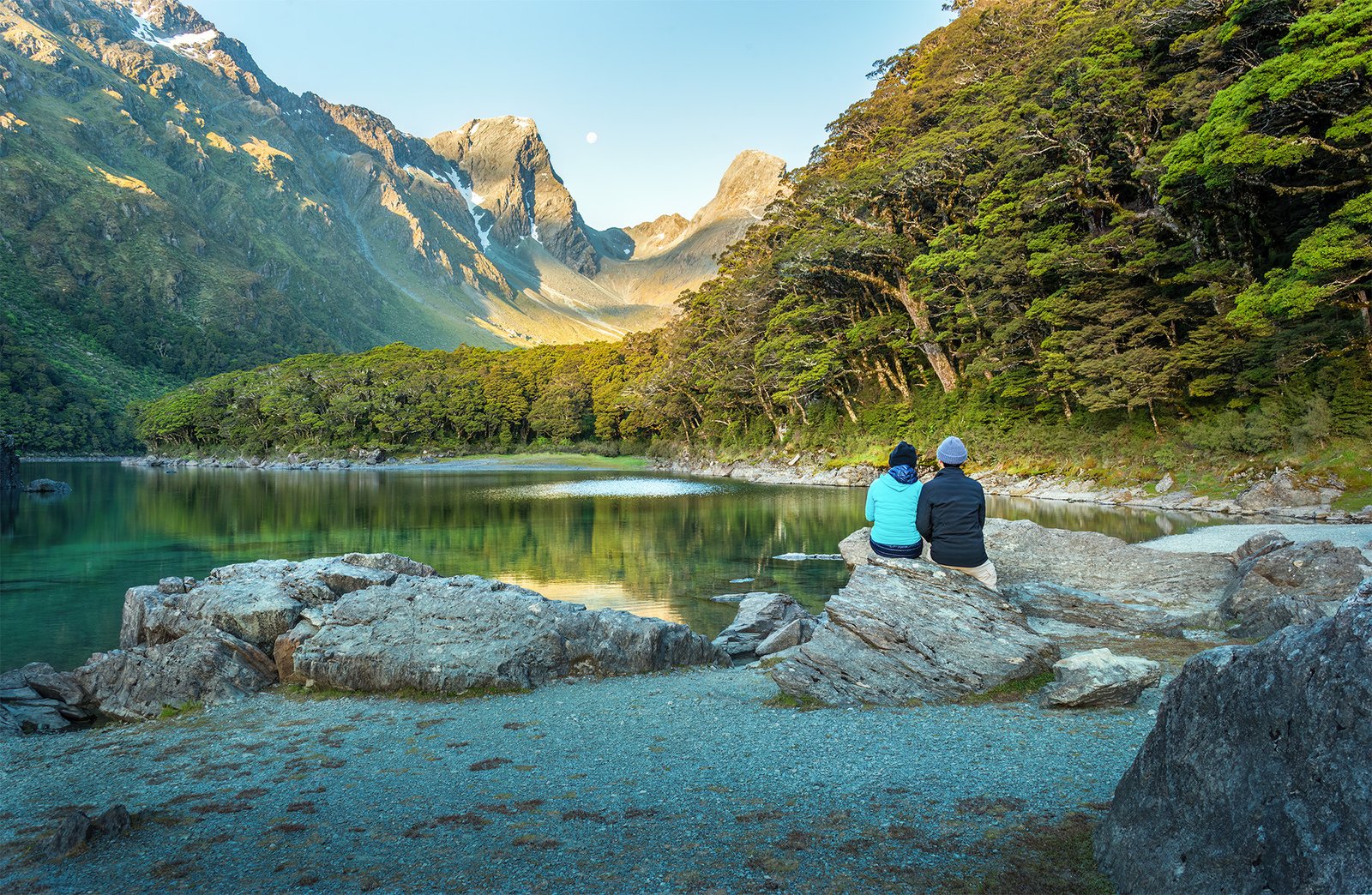
Hikers beside an alpine lake on the Routeburn Track in New Zealand

Routeburn Track – Otago & Fiordland

The Routeburn Track packs an extraordinary amount of scenery into a relatively short Great Walk.

Connecting Mount Aspiring National Park and Fiordland National Park, the track crosses alpine landscapes filled with waterfalls, mountain lakes, valleys and native forest.

Highlights include Routeburn Falls, Harris Saddle and expansive mountain views.

The track can be approached from either the Queenstown or Fiordland side, making it easy to incorporate into a wider South Island holiday.

Best for: Alpine scenery and travellers wanting maximum scenery over a shorter distance.

Best places to stay: Queenstown and Te Anau. Queenstown is the main base for the eastern side, while Te Anau is ideal for combining the Routeburn with a wider Fiordland trip.

Planning your trip: Explore our Otago Travel Guide and Southland Travel Guide for accommodation and things to do around Queenstown, Te Anau and Fiordland.

Milford Track through the alpine landscape of Fiordland National Park

Milford Track – Fiordland

The Milford Track is one of New Zealand’s most famous multi-day walks.

The journey through Fiordland National Park passes ancient rainforest, glacier-carved valleys and dramatic alpine landscapes before finishing near Milford Sound Piopiotahi.

Crossing Mackinnon Pass is one of the major highlights, with spectacular views across the surrounding mountains and valleys when conditions allow.

And don’t automatically wish away the rain. Fiordland’s famously wet weather can send temporary waterfalls cascading down the surrounding cliffs.

Best for: Iconic New Zealand scenery, waterfalls and a classic multi-day hiking experience.

Best places to stay: Te Anau is the standout base for the Milford Track. Queenstown is another option for travellers incorporating the walk into a wider South Island itinerary.

Good to know: Milford Track places are highly sought after during the Great Walk season, so plan well ahead.

Planning your trip: Explore our Southland Travel Guide for accommodation, transport, tours and other experiences around Fiordland.

Alpine views from the Kepler Track in Fiordland National Park

Kepler Track – Fiordland

Beginning near Te Anau, the Kepler Track showcases many of the landscapes that make Fiordland spectacular.

The circuit climbs from native beech forest onto exposed alpine ridgelines before descending through valleys, wetlands and forest.

On a clear day, the elevated sections provide enormous views across mountains, valleys and lakes.

Because the Kepler is a circuit, it is particularly convenient for travellers basing themselves in Te Anau.

Best for: Alpine scenery and travellers wanting a Great Walk that forms a loop.

Best place to stay: Te Anau is easily the best base for the Kepler Track, with accommodation, restaurants, supplies and transport close to the track.

Don’t miss: The alpine section around Luxmore and the ridgeline towards Iris Burn.

Planning your trip: Explore our Southland Travel Guide for accommodation and more things to do around Te Anau and Fiordland.

Hiker overlooking the coast on the Hump Ridge Track in Southland

Hump Ridge Track – Southland

The Hump Ridge Track joined New Zealand’s Great Walk network in 2024.

Beginning near Tūātapere, the track combines coastal landscapes, native forest, historic viaducts and impressive alpine views.

A major highlight is reaching the Hump Ridge, where elevated boardwalks provide expansive views towards southern Fiordland and the Southern Ocean.

The historic Port Craig section adds another dimension, providing a glimpse into the area’s early sawmilling history.

Best for: Big views, history and travellers looking for a less familiar Great Walk adventure.

Best places to stay: Tūātapere is the best base for the track. Invercargill and Te Anau are useful options when including the walk in a wider Southland itinerary.

Planning your trip: Explore our Southland Travel Guide for accommodation and experiences around Western Southland and Fiordland.

Hiker on the Rakiura Track on Stewart Island Rakiura

Rakiura Track – Stewart Island

The Rakiura Track travels through the forests and coastline of Rakiura National Park on Stewart Island.

Rather than towering alpine peaks, the appeal here is tranquillity, wildlife and the opportunity to experience one of New Zealand’s wildest inhabited islands.

Rakiura is renowned for its birdlife and is one of New Zealand’s best places to potentially encounter kiwi in the wild, although sightings are never guaranteed.

Best for: Birdlife, native forest, coastal scenery and a peaceful island adventure.

Best place to stay: Oban is the main settlement on Stewart Island and the obvious base before and after completing the Rakiura Track.

Interesting fact: Rakiura is commonly translated as “glowing skies”, an appropriate name for an island known for beautiful sunsets and occasional appearances of the Aurora Australis.

Planning your trip: Explore our Southland Travel Guide for Stewart Island, Invercargill, Bluff and more Southland accommodation and activities.

Which New Zealand Great Walk Should You Choose?

There isn’t one Great Walk that is best for everyone.

For beaches and coastal scenery, consider the Abel Tasman Coast Track.

For dramatic alpine landscapes, look at the Routeburn, Kepler or Milford Track.

For volcanic terrain, choose the Tongariro Northern Circuit.

For native forest and wildlife, consider the Rakiura Track or Lake Waikaremoana.

If you are a mountain biker, investigate the Paparoa Track.

And if you would rather paddle than walk, the Whanganui Journey offers something completely different.

Your choice should also take into account your fitness, experience, available time, preferred season and comfort with changing weather.

New Zealand Great Walks: Difficulty & Best Places to Stay

Compare all 11 New Zealand Great Walks at a glance, including their general difficulty and the best towns or bases to stay before and after your adventure.

Great WalkBest Towns / BasesDifficulty
Tongariro Northern CircuitNational Park Village, Whakapapa Village, Ohakune, TūrangiIntermediate–Advanced – exposed alpine and volcanic terrain with rapidly changing weather
Lake Waikaremoana TrackLake Waikaremoana, WairoaIntermediate – undulating terrain with some steep climbs and a remote setting
Whanganui JourneyTaumarunui, National Park Village, Ohakune, WhanganuiIntermediate – multi-day canoe or kayak journey; river conditions and paddling experience are important
Abel Tasman Coast TrackMārahau, Kaiteriteri, Motueka, NelsonEasy–Intermediate – generally well-formed coastal track with some climbs and tidal crossings
Heaphy TrackTākaka, Collingwood, KarameaIntermediate – long multi-day journey through varied and remote terrain
Paparoa TrackBlackball, Punakaiki, GreymouthIntermediate–Advanced – long days, exposed sections and changeable West Coast conditions
Routeburn TrackQueenstown, Te AnauIntermediate–Advanced – alpine terrain, steep sections and exposed mountain conditions
Milford TrackTe Anau, QueenstownIntermediate – multi-day track with a significant climb over Mackinnon Pass
Kepler TrackTe AnauIntermediate–Advanced – sustained climbs and exposed alpine ridgelines
Hump Ridge TrackTūātapere, InvercargillIntermediate–Advanced – demanding climbs, long days and exposed elevated sections
Rakiura TrackOban, Stewart IslandEasy–Intermediate – lower elevation but often muddy, with uneven forest and coastal terrain

When Is the Best Time to Do New Zealand’s Great Walks?

The main Great Walk season generally falls across New Zealand’s warmer months, but the exact season and conditions vary between tracks.

Summer brings longer daylight hours and generally warmer temperatures, but it is also the busiest time of year.

Spring and autumn can offer quieter experiences, although conditions may be colder and less predictable.

Some Great Walks become considerably more challenging outside their main season. Snow, ice, flooding, avalanches and rapidly changing alpine weather can create serious hazards.

Always check current track conditions, weather forecasts and seasonal information before setting out.

Do You Need to Book the New Zealand Great Walks?

If you’re staying overnight, huts and campsites on many Great Walks need to be booked in advance.

Popular tracks can fill quickly when bookings open, particularly during peak summer periods.

Depending on the Great Walk, you may also need to organise:

  • Transport to and from the trailhead
  • Water taxis
  • Shuttle transfers
  • Accommodation before and after the walk
  • Equipment hire
  • Food and supplies

The logistics are different for every Great Walk, so research your chosen track before making travel arrangements.

For current track conditions, alerts, hut information and booking requirements, always check the official Department of Conservation (DOC) information for your chosen Great Walk.

Explore New Zealand with a Guided Walking Tour

You don’t have to tackle a multi-day Great Walk to experience New Zealand’s incredible landscapes on foot. Guided hikes and walking tours offer another way to explore national parks, native forests, alpine landscapes and coastal tracks, often with local knowledge and transport included.

Choose from short guided walks, day hikes and longer hiking experiences throughout New Zealand. A local guide can also add another dimension to your journey, sharing insights into the landscape, wildlife, history and culture of the places you visit.

Explore our Guided Hikes & Walking Tours to find walking and hiking experiences throughout New Zealand.

Can You Do Part of a Great Walk?

Yes. You don’t necessarily have to complete an entire Great Walk to experience one.

Some tracks are particularly well suited to shorter adventures.

The Abel Tasman Coast Track, for example, has water taxi services that make it possible to walk selected sections.

Other Great Walks have access points or nearby day walks that allow you to experience part of the landscape without committing to the complete multi-day journey.

If you don’t have enough time for a full Great Walk, look at the available day walks and transport options around your chosen destination.

Are New Zealand’s Great Walks Suitable for Beginners?

It depends on the track.

Some Great Walks are more approachable for first-time multi-day walkers, while alpine routes require greater fitness, preparation and confidence in changing weather conditions.

Distance isn’t the only consideration.

Elevation, terrain, weather exposure, river conditions and the weight of your pack can make a relatively short day considerably harder than expected.

Before booking, check the difficulty of the specific Great Walk rather than assuming all 11 require the same level of experience.

What Should You Pack for a Great Walk?

Your packing list will depend on the track, season and length of your trip, but New Zealand weather should never be underestimated.

Even during summer, conditions can change quickly.

Depending on your chosen walk, you may need:

  • Waterproof jacket
  • Warm layers
  • Sturdy footwear
  • Comfortable backpack
  • Food and drinking water
  • Sun protection
  • First-aid supplies
  • Insect repellent
  • Navigation and emergency equipment
  • Appropriate overnight gear

Don’t rely on one generic Great Walk packing list. Check the specific equipment recommendations and requirements for your chosen track before leaving.

Great Walk Huts & Campsites

Multi-day Great Walk adventures usually involve staying in huts or designated campsites along the route.

Facilities vary, so check exactly what is provided before packing.

Don’t assume huts operate like hotels or fully serviced accommodation. Walkers generally need to carry their own food and personal equipment, and the services available can vary by location and season.

For many people, staying overnight in a remote Great Walk hut is part of the experience — waking up surrounded by mountains, forest or wilderness is difficult to replicate anywhere else.

Great Walk Safety

New Zealand’s landscapes are beautiful, but conditions can change rapidly.

Before starting your Great Walk:

  • Check the latest weather forecast
  • Check track conditions and alerts
  • Carry appropriate clothing and equipment
  • Understand the difficulty of the route
  • Tell someone your plans
  • Know your own abilities
  • Be prepared to change your plans if conditions deteriorate

This is particularly important on exposed alpine tracks where weather conditions can change dramatically within a short period.

Protecting New Zealand’s Great Walks

The Great Walks travel through some of Aotearoa’s most precious landscapes.

Stay on formed tracks where required, take your rubbish with you and respect native wildlife.

Clean footwear and outdoor equipment before entering natural areas to help prevent the spread of weeds, pathogens and other threats to native ecosystems.

Follow local requirements around camping, fires and waste, and respect places of cultural significance.

A little care from every visitor helps protect these extraordinary places for future generations.

Planning a New Zealand Great Walk Holiday

A Great Walk doesn’t have to be the only reason for your trip.

Some of the best New Zealand itineraries combine a multi-day adventure with a few days exploring the surrounding region.

You could walk the Routeburn and spend time in Queenstown, explore Fiordland after completing the Kepler, add beaches and kayaking to an Abel Tasman adventure, or discover the towns and attractions around Ruapehu before tackling the Tongariro Northern Circuit.

This is where your regional travel guides become particularly useful for readers.

Explore our New Zealand Travel Guides to find accommodation, activities, tours, transport and places to visit before and after your Great Walk.

Start Planning Your New Zealand Great Walk Adventure

From paddling beneath towering forest on the Whanganui River to crossing alpine ridges in Fiordland, New Zealand’s Great Walks demonstrate just how diverse Aotearoa’s landscapes can be.

You can walk beneath volcanoes, explore remote beaches, cross mountain passes, travel through ancient rainforest or spend several days following one of New Zealand’s great rivers.

And you don’t need to complete all 11.

Choose the landscape that excites you most, allow enough time to enjoy the journey and consider building your Great Walk into a wider New Zealand road trip.

Sometimes the places you discover before and after the track become just as memorable as the Great Walk itself.


Frequently Asked Questions About New Zealand Great Walks

How many Great Walks are there in New Zealand?

There are 11 New Zealand Great Walks, located across the North Island, South Island and Rakiura Stewart Island.

Are all New Zealand Great Walks actually walks?

No. The Whanganui Journey is a Great Walk but is completed primarily by canoe or kayak rather than on foot.

What is the newest Great Walk in New Zealand?

The Hump Ridge Track in Southland joined New Zealand’s Great Walk network in 2024.

What is the best Great Walk for beaches?

The Abel Tasman Coast Track is an excellent choice for travellers wanting golden beaches, coastal scenery, swimming and native forest.

Which Great Walks are best for alpine scenery?

The Milford, Routeburn and Kepler tracks are particularly well known for dramatic mountain and alpine landscapes.

Which Great Walk is best for volcanic scenery?

The Tongariro Northern Circuit travels through the volcanic landscapes of Tongariro National Park in the central North Island.

Can you cycle any of New Zealand’s Great Walks?

The Paparoa Track is designed for both walking and mountain biking, subject to the applicable track rules and seasonal conditions.

Do I need to book Great Walk huts?

Bookings are required for many Great Walk huts and campsites, particularly during the main Great Walk season. Always check the current requirements for your chosen track before travelling.

Can beginners do a New Zealand Great Walk?

Yes, but difficulty varies considerably between tracks. Beginners should consider distance, elevation, terrain, weather exposure and their fitness before choosing a Great Walk.

Where can I find current Great Walk conditions?

Check the Department of Conservation information for your chosen Great Walk before travelling for current alerts, track conditions, seasonal information and booking requirements.

More
articles